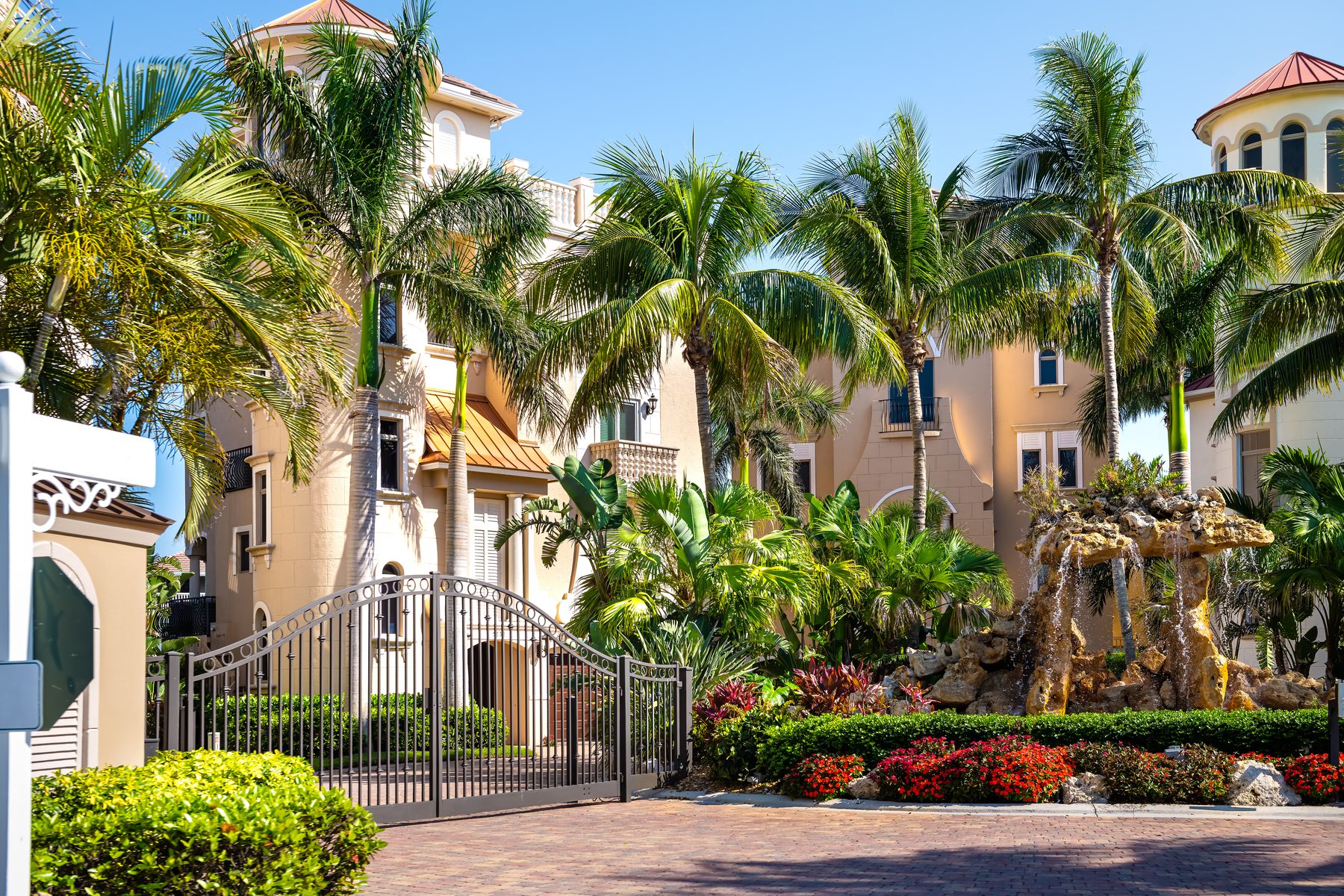
Are HOA rules, rising fees, or special assessments making buyers more cautious in Naples, Bonita Springs, Estero, Fort Myers, and Cape Coral? If you're preparing to sell a home, condo, villa, or townhome in a Southwest Florida HOA community, your buyer may be looking at much more than the kitchen, floor plan, and location. Today's buyers are also reviewing bylaws, budgets, reserves, insurance coverage, rental restrictions, pet rules, and pending assessments before they feel comfortable moving forward.
That means HOA issues can directly affect your sale price, buyer confidence, financing options, and closing timeline. Buyers want to know whether the community is financially stable, whether fees are likely to rise, and whether there are hidden risks that could cost them money after closing. For sellers, the best strategy is simple: know the issues before the buyer does.
Why HOA questions matter more in Southwest Florida
The Southwest Florida real estate market has changed in recent years. After Hurricane Ian, many communities faced rising insurance premiums, repair costs, reserve concerns, and special assessments. At the same time, Florida condominium safety and reserve requirements have made buyers more aware of community finances. This is especially important for sellers in Naples condo and golf communities, Bonita Springs gated communities, Estero villa and townhome neighborhoods, Fort Myers condominium communities, and Cape Coral waterfront and deed-restricted communities.
A buyer may love your home, but if the HOA documents raise concerns, they may hesitate, renegotiate, or cancel during the review period. That's why sellers should review HOA issues before going on the market, not after the home is already under contract.
What HOA red flags do buyers look for?
Buyers are not only asking "how much are the HOA fees?" They are also asking: what do the fees include, have the fees increased recently, are reserves properly funded, are there pending special assessments, are rentals restricted, are pets restricted, is there active litigation, is the association professionally managed, and are there upcoming repairs or insurance increases?
These questions matter because HOA costs affect affordability. A buyer may qualify for the purchase price but become uncomfortable once monthly HOA fees, insurance concerns, or assessment risks are added to the equation.
Rental restrictions can shrink your buyer pool
One of the first things many Southwest Florida buyers check is whether a property can be rented. This matters because many buyers in Naples, Bonita Springs, Estero, Fort Myers, and Cape Coral are looking for flexibility — some want seasonal rental income, others want to use the property part-time now and rent it until they relocate full-time.
Common rental restrictions include minimum lease periods, limits on how often a home can be rented, board approval for tenants, rental caps within the community, and restrictions on short-term or seasonal rentals. If your community does not allow the rental flexibility a buyer wants, that buyer may move on to another property. As a seller, you do not need to hide rental restrictions — it is better to understand them clearly so your listing can attract the right buyer from the beginning.
Pet rules can become a deal breaker
Pet restrictions may seem minor until a buyer has a large dog, multiple pets, or a breed that the association does not allow. Common HOA pet restrictions include weight limits, breed restrictions, limits on the number of pets, approval requirements, and rules for walking areas and common spaces.
In Southwest Florida, many buyers relocating from other states bring pets with them. If the HOA rules do not match their lifestyle, they may eliminate the property quickly. Before listing, sellers should confirm the current pet policy rather than relying on memory — HOA rules can change, and buyers will usually request the official documents.
These questions matter because HOA costs affect affordability. A buyer may qualify for the purchase price but become uncomfortable once monthly HOA fees, insurance concerns, or assessment risks are added to the equation.
Rising HOA fees can affect buyer confidence
HOA fees are one of the most important financial details buyers review. A buyer may accept higher fees if they understand what is included, such as exterior maintenance, cable, internet, landscaping, security, amenities, insurance, or reserves. However, buyers become concerned when fees are rising quickly without a clear explanation.
Special assessments: deal with them upfront
Pending assessments — for things like road or drainage improvements, hurricane damage repairs, insurance shortfalls, or reserve funding requirements — are one of the biggest trust issues in an HOA sale. If a buyer discovers an assessment after going under contract, it can damage trust and create serious negotiation problems.
Sellers should know whether an assessment is pending, discussed, approved, or already due. If there is uncertainty, it is wise to speak with a qualified Florida real estate attorney about disclosure obligations. The better approach is to deal with the issue upfront — depending on the situation, a seller may decide to pay the assessment, offer a credit, adjust the price, or disclose it clearly so buyers can make an informed decision.
Insurance costs are changing buyer questions
Insurance has become one of the biggest issues in Southwest Florida real estate. Many HOA and condo associations have seen higher master policy premiums in recent years, and in some cases those increases have led to higher monthly dues or special assessments. Buyers may ask: what insurance does the HOA carry, what does the owner still need to insure separately, has the master policy premium increased, are there hurricane deductibles, is flood insurance included, and is the association properly covered?
This is especially important in coastal, waterfront, condo, and villa communities where insurance costs can affect monthly affordability. Sellers should be prepared to provide current HOA fee information and direct buyers to the association documents for insurance details.
Poor HOA governance can raise red flags
Buyers and their attorneys often review more than the budget — they may also look at how the association is managed. Governance concerns may include no professional management company, poorly kept meeting minutes, and similar signs of a loosely run board. A well-managed association with clear records and professional oversight is a genuine selling point worth highlighting.
Pricing around the full picture
For example, a buyer may compare a lower-fee community with fewer amenities against a higher-fee community with stronger maintenance coverage; a newer community with lower immediate repair needs against an older community with more mature landscaping but higher reserve pressure; or a condo with strong amenities but higher insurance costs against a single-family HOA with fewer shared expenses. The right pricing strategy depends on the full picture. If your community has higher fees, the listing should clearly explain what those fees include. If your community has strong reserves, good maintenance, updated amenities, or professional management, those strengths should be part of the marketing.
Seller checklist: what to do before listing in an HOA community
Before listing your Southwest Florida HOA property, take these steps:
- Request the full HOA document package. Do not wait for the buyer to ask — get the documents upfront so you know what buyers will see.
- Confirm the current monthly, quarterly, or annual fee. Make sure the amount is accurate and verify what is included.
- Ask about pending or upcoming assessments. If there are discussions about major projects, repairs, or funding shortfalls, find out before listing.
- Review rental and pet restrictions. These two categories can eliminate certain buyers quickly.
- Check the insurance and reserve information. This is especially important for condos, villas, townhomes, and waterfront communities.
- Understand the estoppel process. Know the fee, timeline, and process so it does not delay closing.
- Work with an agent who understands HOA communities. HOA issues are not just paperwork — they affect pricing, marketing, negotiation, buyer confidence, and closing strategy.