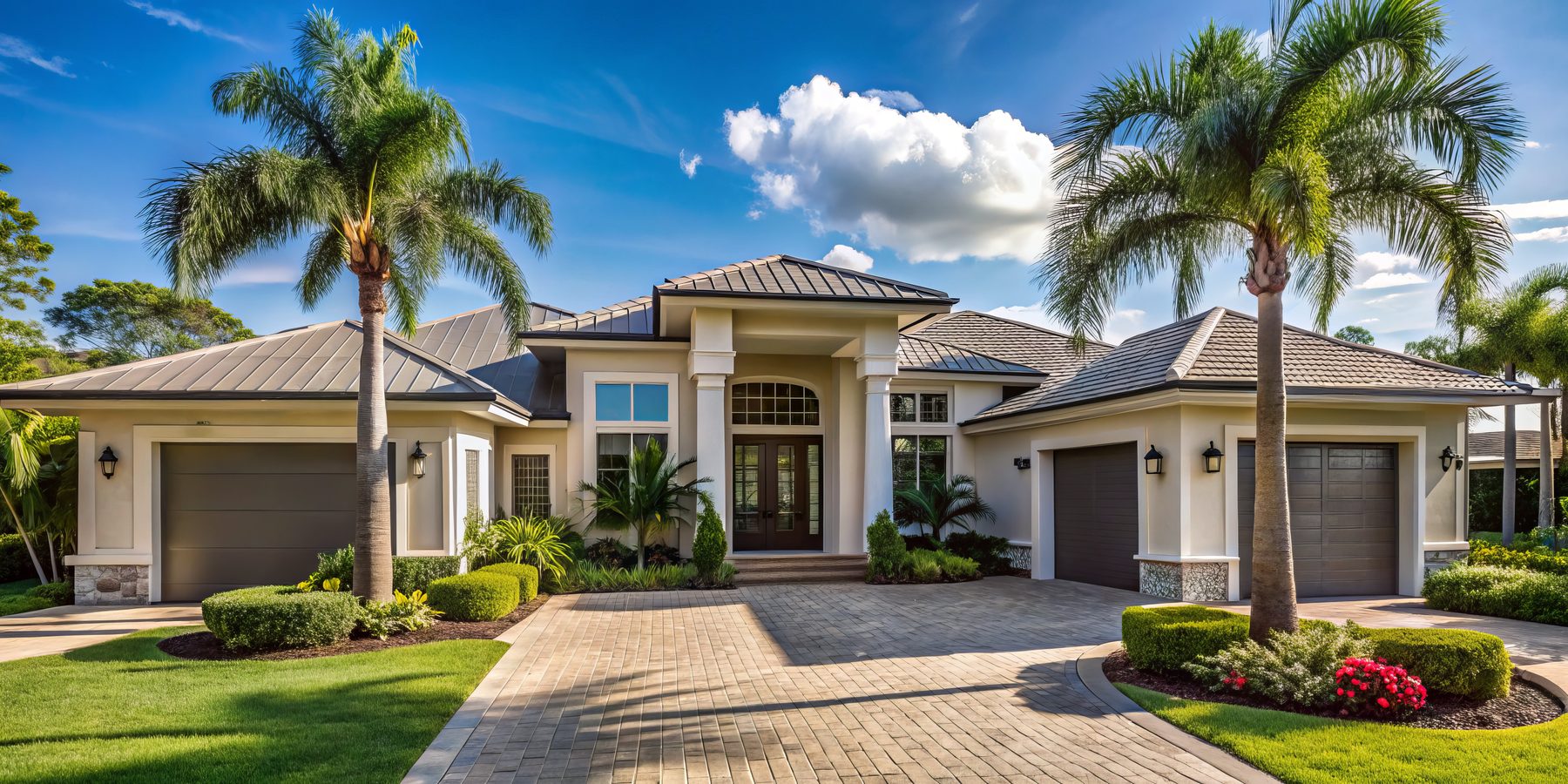
Thinking about selling your home in Southwest Florida? A pre-listing inspection can help you avoid buyer surprises, protect your price, and reduce the risk of deals falling apart — especially in today's post-hurricane market. If you're preparing to sell in Bonita Springs, Naples, Estero, Fort Myers, or Cape Coral, one question matters more than most: what will the buyer's inspection uncover, and how will it impact your deal? In today's market, that question can determine whether your home sells smoothly, or falls apart mid-contract.
Why pre-listing inspections matter more in Southwest Florida right now
Since Hurricane Ian, buyers are far more cautious — and far more informed. They're showing up with detailed inspections, insurance concerns already in mind, and contractors and specialists on standby. At the same time, inventory has increased, giving buyers more leverage. That means inspection findings translate to negotiation power, small issues can turn into larger concessions, and uncertainty leads buyers to walk away.
A pre-listing inspection shifts that control back to you.
What a pre-listing inspection actually does for sellers
A pre-listing inspection allows you to identify issues early — before a buyer does — control how problems are handled, price your home strategically, build trust with buyers upfront, and reduce the chance of contract fallout. In short, it removes surprises — and surprises are what kill deals.
What inspectors focus on in Southwest Florida homes
Selling in a hurricane-prone market comes with added scrutiny. Here's what buyers — and inspectors — pay closest attention to.
1. Roof condition & age
Insurance companies often flag roofs over 15 years old. Even a "working" roof can create financing issues, which makes this one of the biggest deal-breakers in Southwest Florida.
2. Wind mitigation features
These directly impact insurance costs: roof-to-wall connections, impact windows or shutters, roof shape (hip vs. gable), and garage door ratings. A strong mitigation report can actually help sell your home faster.
3. Water intrusion history
This is the most sensitive issue post-Ian: previous flooding, roof leaks, and mold or moisture signs. If repairs were made, documentation is critical.
4. HVAC, plumbing, and electrical
Older systems raise buyer concerns, and insurance and inspection findings often overlap here.
5. Specialty items (depending on property)
Seawalls on waterfront homes, septic systems on older properties, and pool or spa equipment.
A pre-listing inspection isn't just a checklist — it's a strategy.
What to do with the inspection results
This is where strategy matters most. You have three options.
Option 1: Repair before listing
Best when the fix is inexpensive, it removes a major buyer objection, or it improves insurability.
Option 2: Disclose and move forward
Best when repairs are costly, the condition is stable and documented, or the buyer may want to customize anyway.
Option 3: Adjust pricing strategically
Best when the issue will impact every buyer or it affects financing or insurance — in these cases, pricing around the issue is often more effective than trying to fix or hide it.
What it costs
Typically: a home inspection runs $350-$600, wind mitigation $75-$150, and a pool/spa inspection (if applicable) $75-$125.
Do you have to share the report with buyers?
You're not required to share the full report — but you must disclose known defects. Most sellers choose transparency to build trust and avoid issues later in the transaction.
What if your home had hurricane damage?
A pre-listing inspection is even more important. It confirms repairs were done correctly, provides documentation, and reassures buyers.
Control the deal before it controls you
Selling in Southwest Florida isn't what it was a few years ago. Buyers are sharper. Inspections are deeper. Insurance matters more than ever. The sellers who succeed today are the ones who prepare early, eliminate uncertainty, and lead the conversation.
If you're planning to sell in the next 30-90 days, the smartest move is to understand what your home is worth right now, what buyers will flag immediately, and how to position your home to sell with confidence.