For most well-prepared sellers, yes. Cape Coral's median sale price reached $379,749-$385,000 in mid-2026, up roughly 5.8% year over year, while days on market fell to the 66-79 day range from the slower pace earlier this year. Inventory sits around 2.3-2.5 months of supply, still favorable to sellers who price correctly, but more than 40% of active listings have taken at least one price cut, which means pricing strategy matters more right now than market timing alone.
If you've been watching the "for sale" signs go up around your Cape Coral neighborhood and wondering whether this is your window, you're asking the right question at the right time. Here's what the numbers actually say, and what they mean for your specific home.
Where the Cape Coral market stands right now
Cape Coral has spent the last two years working its way back from the buyer-favorable conditions that followed the 2022-2023 rate spike and Hurricane Ian rebuild. The data through August 2026 shows a market that's tightened in the seller's favor, even if it hasn't returned to 2021 territory — the same shift we're seeing across Southwest Florida more broadly, though Cape Coral's numbers are outperforming several neighboring markets.
Here's the snapshot:
- Median sale price: $379,749-$385,000, up about 5.8% from a year ago
- Days on market: 66 days (August) to 79 days (July figures), both faster than the same point last year
- Homes sold: 1,725 closings in August, up 12.8% year over year — buyer demand is real, not just listing volume
- Sale-to-list ratio: 96.4%-96.9%, meaning well-priced homes are landing close to asking
- Homes selling above list: 8.9%-10.7% of transactions
- Inventory: roughly 3,400 active listings, about 2.3-2.5 months of supply
Zoom out to the combined Fort Myers-Cape Coral metro and the picture holds: average sale price up 10.8% year over year, active inventory down 25% compared to last year, and a 4.9-month supply that's landed the broader market in neutral-to-balanced territory. Foreclosures and distressed sales remain low, about 3% of inventory, so this isn't a market propped up by forced sellers.
The one number that should make you pause before you get too optimistic: 41.2% of active Cape Coral listings have had at least one price reduction. That's an improvement from a year ago, but it tells you the market is rewarding accurate pricing and punishing wishful pricing almost immediately. Buyers here have plenty of comparable inventory to shop against, and they know it.
What you can expect to net
Rising median prices don't automatically mean a bigger check at closing. A few Cape Coral-specific factors shape what actually lands in your pocket.
Insurance is finally working in your favor, but only if you act now. Florida property insurance rates have started easing in 2026 for the first time in years, driven by a calmer run of storm seasons, new carriers entering the market, and legislative reforms that have reduced litigation pressure on insurers. That's good news for your buyer pool: more affordable insurance quotes mean more qualified buyers can comfortably carry your home's monthly payment. It also means this window is worth taking advantage of before it tightens again.
Flood zone and elevation matter more here than almost anywhere else in Southwest Florida. Cape Coral's Community Rating System Class 5 status gives Zone AE properties a 25% discount off NFIP premiums (roughly $2,400 down to $1,800 a year on a typical policy) and Zone X properties a 10% discount. If you don't already have a current elevation certificate, get one before you list — buyers and their lenders will ask for it, and not having one ready can stall a contract at the worst possible moment.
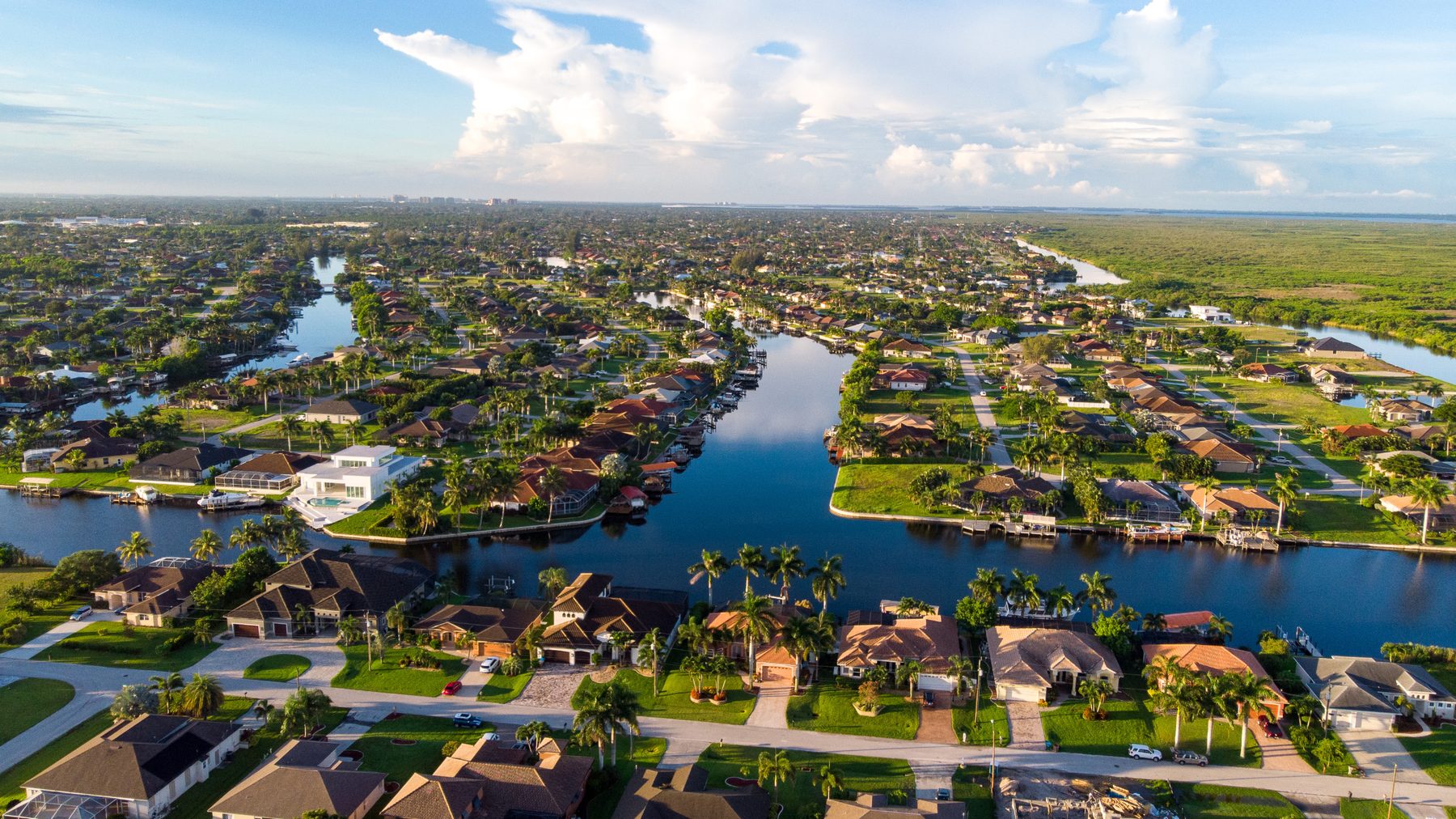
If you're on a canal, get ahead of the seawall question. Cape Coral's 400+ miles of residential canals took a beating from Hurricane Ian, and the city's approval of a $23 million seawall project at the municipal Yacht Club has put seawall condition on every canal-front buyer's radar. Florida's flood disclosure statute doesn't actually require you to disclose seawall condition, but savvy buyers are ordering their own marine surveys during due diligence, and a $50,000-$120,000+ repair estimate showing up mid-contract will cost you far more in negotiating leverage than a $500-$800 inspection would have cost you up front. Our Cape Coral canal home buyer's guide walks through the seawall, gulf-access, and flood zone distinctions buyers are researching before they ever call an agent.
Doc stamps and your homestead exemption still apply the way you'd expect. As the seller, you'll pay Florida's transfer tax (doc stamps) at $0.70 per $100 of the sale price, plus your share of the title company's closing fees, which we break down in detail for Lee and Collier County sellers. If you're carrying a Save Our Homes-capped assessed value, portability lets you take a version of that tax benefit with you to your next Florida homestead — worth discussing with your agent before you assume your new property taxes will reset at full market value.
The market is rewarding accurate pricing right now, and punishing wishful pricing almost as fast. That's the whole story in Cape Coral this fall — it's not about whether to sell, it's about whether your number is right on day one.
Timing: why listing now beats waiting until January
Southwest Florida runs on a seasonal clock, and Cape Coral is no exception. Snowbird season is already returning, and new listings typically spike in October and November as sellers try to catch early arrivals before the market fills with competing inventory in January. We cover the broader seasonal pattern in our Southwest Florida seasonal selling guide, and the same logic applies here with extra weight given how quickly Cape Coral inventory has been moving.
That timing works in your favor if you move now:
- Early snowbirds are motivated, present, and ready to close. They're not browsing from up north — they're physically in Florida, comparing homes in person, and often want a holiday closing.
- Listing before Thanksgiving puts you ahead of the January crowd. Once peak season inventory floods the market, your home competes with far more alternatives for the same buyer pool.
- Inventory has tightened 25% year over year across Fort Myers-Cape Coral, which means the sellers who list early this fall aren't fighting last year's glut.
If you're weighing whether to list now or wait, it's worth having that conversation directly. Every home and every situation is a little different, and the right timing for your street isn't always the same as the market-wide average.
The mistakes costing Cape Coral sellers thousands
We see the same handful of missteps repeatedly, and they're almost always avoidable:
- Pricing off the Zestimate instead of a real market analysis. Automated valuations don't know about your seawall condition, your flood zone discount, or the three comparable homes that just closed with price cuts down the street. We walk through exactly what this costs sellers in our overpricing breakdown.
- Skipping the pre-listing inspection. A four-point inspection and wind mitigation report done before you list, not after a buyer requests one, lets you fix or price around issues on your own timeline instead of a buyer's contract clock.
- Waiting for a better offer instead of adjusting early. With over 40% of active listings already cutting price, sitting at the wrong number for 60-plus days almost always costs more than pricing right the first time.
- Not having your elevation certificate and insurance quotes ready. Buyers in flood zones are asking for these documents earlier in the process than they used to, and not having them on hand slows your contract down.
- Assuming canal or seawall condition isn't their problem to prove. It's not legally required in your disclosure, but it will come up in due diligence one way or another. Get ahead of it.
How we market your Cape Coral listing
This is exactly the kind of market where marketing strategy separates the homes that sell in three weeks from the ones sitting at 79-plus days with a stale price cut. We price using live Lee County comps, not automated estimates. We handle the elevation certificate and wind mitigation conversation before your home ever hits the MLS, so nothing stalls your contract later. And we time your listing launch around the actual buyer activity we're seeing on the ground in Cape Coral right now, not a generic calendar.
If you're trying to figure out what your specific home would net in today's market, that's not a guess we make from a spreadsheet. It's a conversation we have after walking your property and pulling the comps that actually apply to it.
Frequently Asked Questions
Is Cape Coral a buyer's or seller's market right now?
It's closer to balanced than either extreme, with about 2.3-2.5 months of supply in Cape Coral specifically and 4.9 months across the broader Fort Myers-Cape Coral metro. Well-priced homes are moving in the 66-79 day range and selling close to asking, but overpriced listings sit and eventually get cut.
How much will I net after selling my Cape Coral home?
Your net depends on your sale price, Florida doc stamps ($0.70 per $100 of sale price), title and closing fees, any agent commission, and your loan payoff. A local market analysis on your specific address is the only way to get a real number instead of an estimate.
Should I wait until after snowbird season to sell?
Usually not. New listings spike in October and November as sellers try to catch early arrivals, and inventory tends to fill up further by January. Listing before Thanksgiving typically puts you in front of motivated, present buyers with less competing inventory.
Do I need to disclose seawall condition when selling a canal-front home in Cape Coral?
Florida's flood disclosure statute doesn't specifically require it, but buyers increasingly order their own marine surveys during due diligence. Getting a $500-$800 inspection done before you list gives you control over pricing and negotiation instead of reacting to a buyer's findings mid-contract.
Are Florida home insurance rates actually going down in 2026?
Yes, directionally, driven by calmer recent storm seasons, new insurers entering the Florida market, and legislative reforms. It's a meaningful selling point for your buyer pool's affordability, though it's worth confirming current quotes on your specific property rather than assuming a market-wide trend applies exactly to your policy.