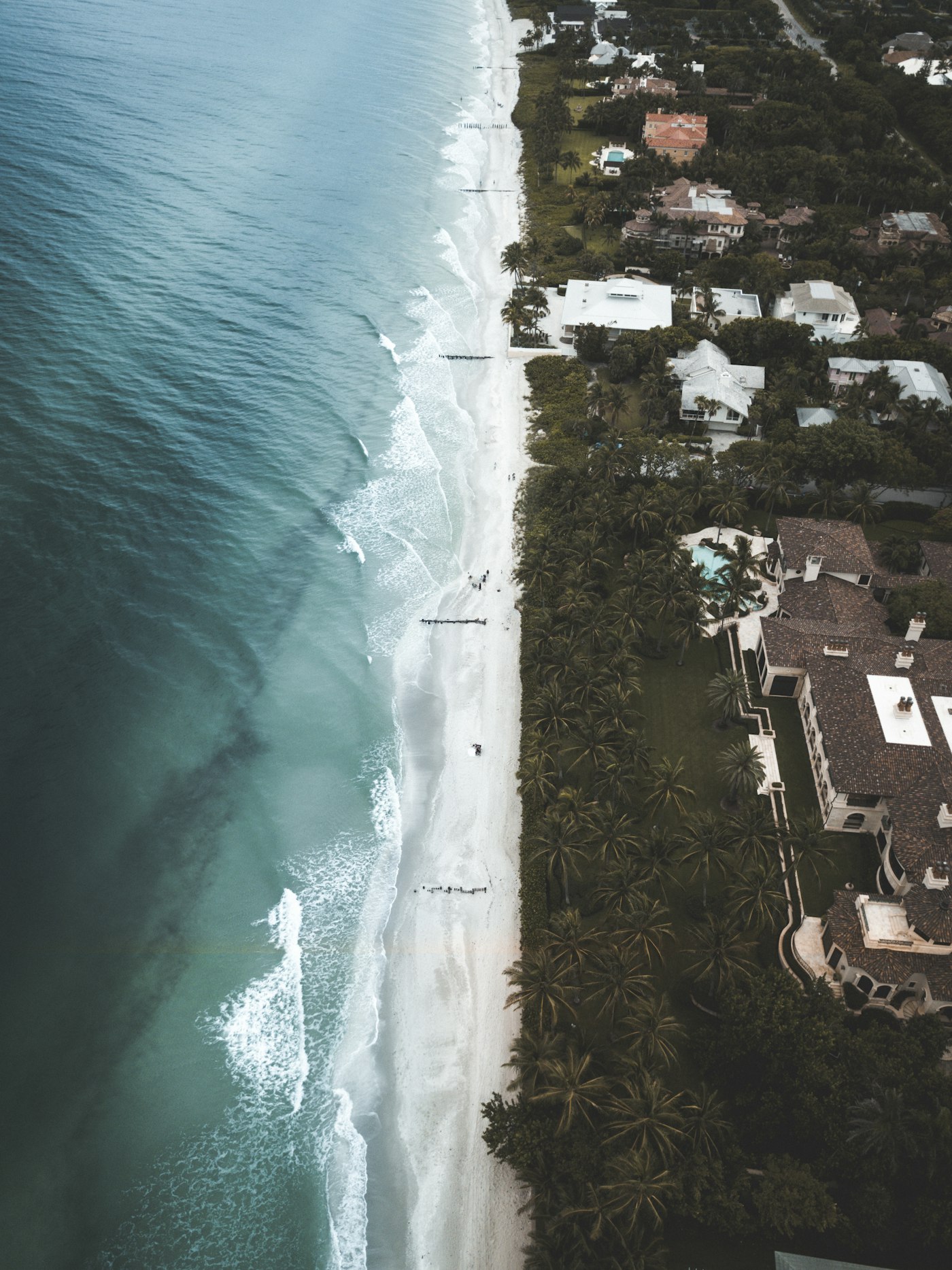
Both Cape Coral and Bonita Springs give buyers real water access, but they're not interchangeable. One is a sprawling, canal-grid city built almost entirely around residential waterfront; the other is a smaller, more established coastal community with a different pace and price structure entirely.
Cape Coral: scale and canal access
Cape Coral's defining feature is its canal system — more miles of navigable canals than almost any city in the country, which means direct Gulf access is available at price points well below what comparable waterfront costs elsewhere in Southwest Florida. It's a larger, more spread-out city, with a mix of established and still-developing neighborhoods.
Bonita Springs: established and central
Bonita Springs sits between Naples and Fort Myers, offering a more centralized location with quicker access to both. It's a smaller, more built-out market than Cape Coral overall, with an established feel across most of its neighborhoods and beach access at Bonita Beach that Cape Coral's canal system doesn't directly provide.
The real question isn't which city is "better" — it's whether you're optimizing for canal-front space and value, or for central location and beach proximity.
How to think about the choice
- Want direct boat access from your backyard at the widest range of price points? Cape Coral's canal system is built for exactly that.
- Want to be centrally positioned between Naples and Fort Myers, with real beach access nearby? Bonita Springs fits that better.
- Buying new construction? Cape Coral has more active building in its outer sections; Bonita Springs skews more toward established resale.
- Commuting regularly to both Naples and Fort Myers? Bonita Springs' central location is a real practical advantage.
The bottom line
Both markets deliver real value, just built around different strengths. Start with what you actually want day to day — boat access and space, or central location and beach proximity — and the right market becomes a much easier call.