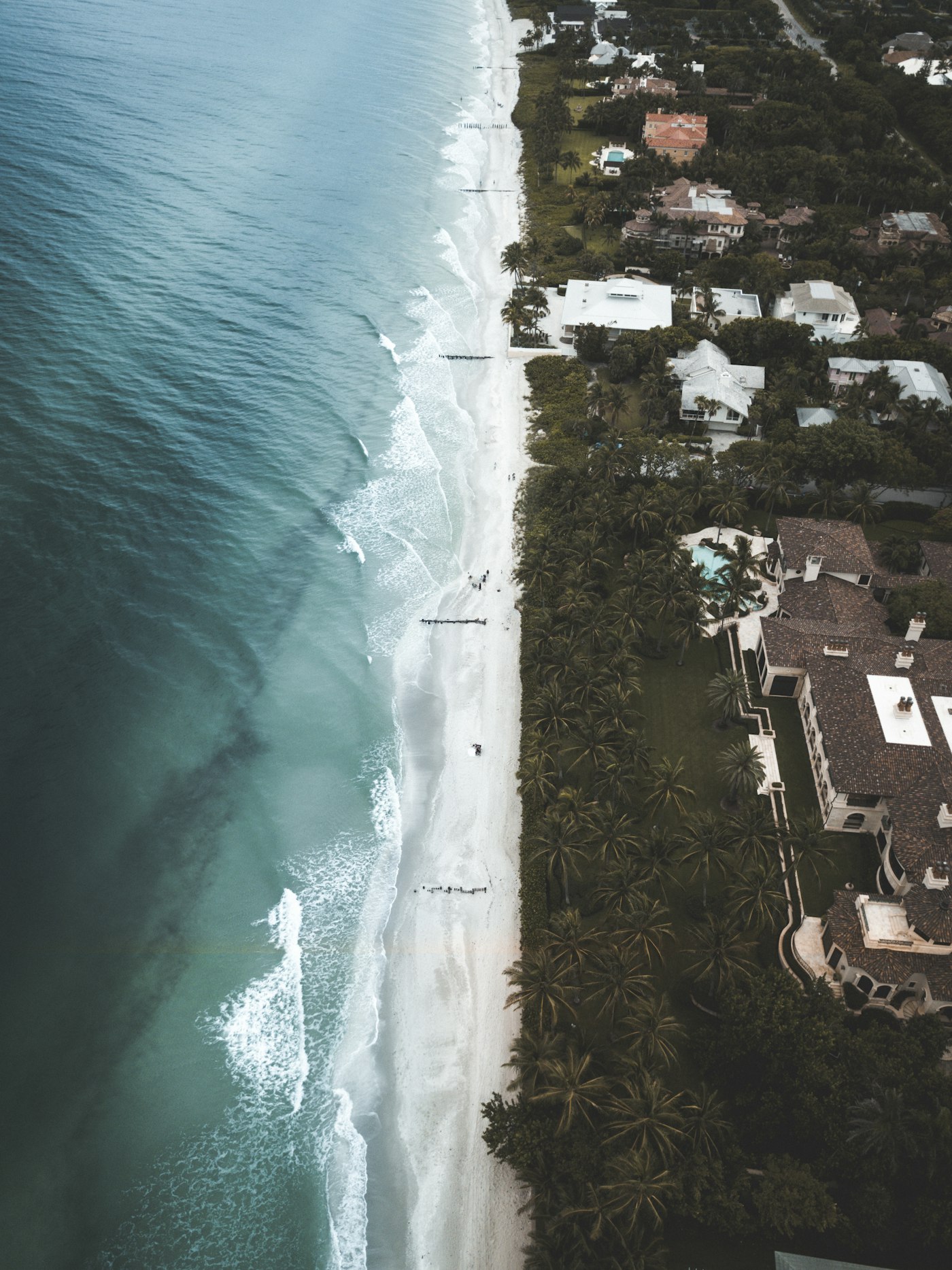
"Avoid" is the wrong framing for most flood zones in Southwest Florida — plenty of desirable homes here sit in higher-risk zones, canal-front and coastal property especially. What actually matters is knowing which zone a property sits in before you fall in love with it, since the zone drives your insurance cost and, in some cases, what you're allowed to build or rebuild.
What a FEMA flood zone actually tells you
FEMA assigns every property a flood zone designation based on its statistical chance of flooding in a given year. The broad categories that matter most for buyers:
- Zone X (unshaded) — minimal risk, outside the mapped floodplain. Flood insurance isn't federally required here, though it's still worth pricing given Florida's rainfall.
- Zone X (shaded) / Zone B — moderate risk, inside the 500-year floodplain. Not mandatory for insurance in most cases, but a step up in exposure from unshaded X.
- Zone A / AE — high-risk "Special Flood Hazard Area," a 1%-or-greater annual chance of flooding (the "100-year floodplain"). Flood insurance is mandatory if you have a federally backed mortgage. AE zones have an established Base Flood Elevation, which matters for both insurance pricing and building requirements.
- Zone VE — coastal high-hazard area, subject to wave action in addition to flooding. Highest risk category, highest premiums, mandatory insurance. Common along barrier islands and immediate coastline.
Why this matters more in Southwest Florida than most markets
Between canal-front lots, coastal barrier islands, and low-lying inland areas, flood zone designations vary block to block here more than buyers coming from other states expect. Two homes a few streets apart can carry meaningfully different insurance costs purely based on zone, independent of the home itself.
The zone doesn't tell you whether to buy the home — it tells you what to budget for and what questions to ask before you do.
Elevation certificates are where the real precision lives
Within a high-risk zone, an elevation certificate — showing exactly how high the structure sits relative to the Base Flood Elevation — is what actually determines your premium, not just the zone letter alone. A home built above the required elevation can carry a meaningfully lower premium than a similarly-zoned home that doesn't. If a property doesn't have a current elevation certificate, getting one before you're deep into a purchase is worth the cost.
What to actually do before you buy
Check the zone before you tour, not after you offer
- Look up the specific address on FEMA's Flood Map Service Center (msc.fema.gov) — this is free and takes a minute
- Ask for an existing elevation certificate if the property is in a high-risk zone
- Get an actual flood insurance quote for that specific property before you're under contract, not a general area estimate
- Ask about recent or pending FEMA remapping — flood maps get updated periodically, and a property's zone can change even if the home itself hasn't
- Factor insurance cost into your total monthly housing number the same way you would property taxes, not as an afterthought
The bottom line
Flood zone isn't a pass/fail filter on a Southwest Florida home — it's a cost and a set of questions to get answered before you commit. The buyers who get surprised are the ones who find out their zone and their real premium after closing, not before.