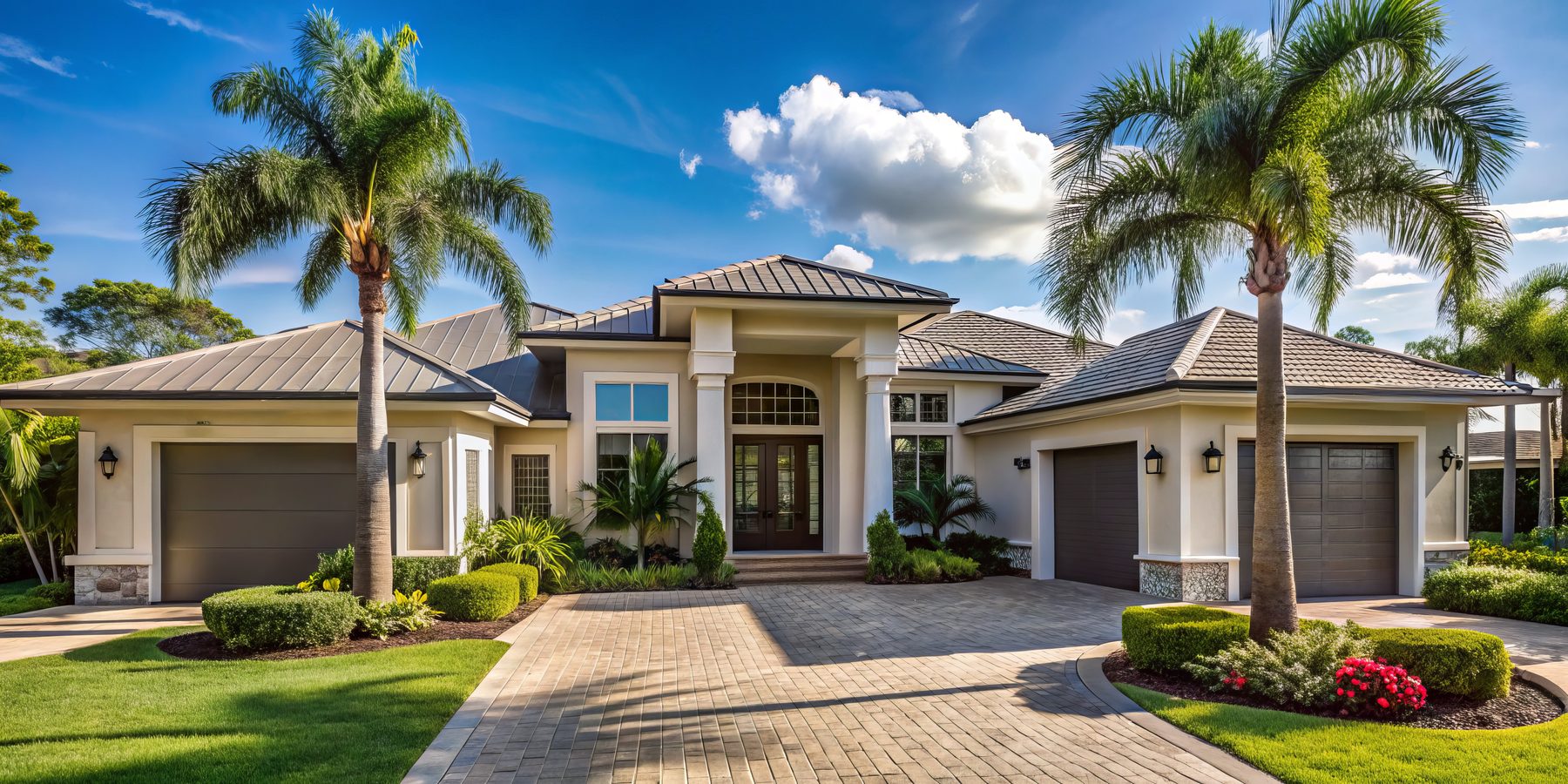
Selling as-is in Southwest Florida does not mean avoiding negotiation. It means deciding how and when repair concerns will be handled. In the 2026 Southwest Florida real estate market, the right strategy depends on your property condition, buyer pool, financing type, insurance concerns, timeline, and overall selling goals.
If you are selling a home in Naples, Bonita Springs, Estero, Fort Myers, Cape Coral, or the surrounding Southwest Florida area, inspection requests can become one of the most important parts of the transaction. You may accept an offer, feel confident about the sale, and then receive a long inspection report filled with flagged items. Or you may still be preparing to list and wondering whether you should repair the roof, service the HVAC system, fix plumbing concerns, address lanai damage, or offer the home as-is.
The decision matters because it can affect your final net proceeds, your buyer's ability to close, your inspection negotiations, and your timeline. In Southwest Florida, this conversation is especially important because buyers are more cautious, insurance requirements are stricter, and financed offers often depend on the condition of the home. The right strategy is not the same for every property — a Cape Coral canal home, a Naples condo, an Estero single-family home, a Bonita Springs villa, and a Fort Myers pool home may each require a different approach.
What does "as-is" mean in a Florida real estate contract?
The term "as-is" is often misunderstood. In Florida, selling as-is does not mean the buyer gives up the right to inspect. Under the commonly used Florida As-Is Residential Contract, buyers typically still have an inspection period. During that time, they can inspect the home, review reports, and, depending on the contract terms, may have the right to cancel within the inspection period.
Selling as-is usually means the seller is not agreeing upfront to make repairs. However, that does not mean the buyer cannot ask for repairs, request a credit, or try to renegotiate after inspections. It also does not remove the seller's obligation to disclose known material defects.
In simple terms, as-is means: the seller is not automatically agreeing to fix items before closing; the buyer may still inspect the home; the buyer may still ask for repairs or credits; the seller may still choose to negotiate; and the buyer may still cancel during the inspection period if allowed by the contract.
When a repair credit may make sense
A repair credit, also called a seller concession or closing cost credit, can be an effective way to resolve inspection concerns without the seller physically completing repairs before closing. Instead of hiring a contractor, scheduling work, and managing repairs, the seller may agree to give the buyer a credit at closing, subject to the terms of the contract and lender approval.
Repair credits may work well when: the issue is cosmetic; the repair is minor; the buyer wants to choose their own contractor; closing is approaching quickly; contractor timelines are difficult; the buyer is paying cash; the repair is not required by the lender or insurance company; or the item is subjective, such as paint, flooring, countertops, or fixtures. For sellers, credits can feel cleaner and easier than making repairs. For buyers, credits can give flexibility after closing.
An as-is home still needs the right pricing strategy. A home listed as-is but priced like a fully updated, move-in-ready property may struggle to attract serious offers.
When repair credits can create problems
Repair credits are not always simple. If the buyer is using financing, the lender may limit the amount of seller credits allowed. Certain loan programs may also require specific repairs to be completed before closing instead of allowing a credit.
Repair credits can become difficult when: the buyer's lender limits seller concessions; the buyer is using FHA, VA, or certain conventional financing; the repair is required for loan approval; the issue affects insurance eligibility; the credit amount exceeds allowed limits; the buyer and seller disagree on repair cost; or the repair involves safety, roof, electrical, water intrusion, or structural concerns.
In Southwest Florida, insurance-related issues can complicate credits. A buyer may want a credit, but if the insurance company or lender requires the issue to be repaired before closing, a credit alone may not solve the problem. This is especially important with roof condition, electrical panels, water intrusion, plumbing concerns, and storm protection.
When sellers should consider repairs before listing
Some repairs are worth addressing before the home goes live on the market. The goal is not to fix everything — the goal is to remove major objections that could affect buyer confidence, financing, insurance, or a faster closing. On the other side, it's worth avoiding: high-end flooring upgrades that exceed the price point; expensive window replacements when not required; custom finishes that may not appeal to most buyers; and large cosmetic upgrades without a clear market-based reason.
In many cases, smaller updates may be more effective. Fresh paint, lighting updates, cabinet hardware, deep cleaning, pressure washing, and minor repairs can sometimes create a stronger return than major remodeling. A local listing agent can help determine whether repairs are likely to increase your net proceeds or simply reduce your profit.
Why insurance matters so much in Southwest Florida
Insurance is one of the biggest reasons sellers need a clear repair strategy in 2026. In Southwest Florida, a buyer's ability to close may depend not only on the inspection report, but also on whether the home can be insured at an acceptable cost. Roof age and condition are often major factors, but they are not the only ones.
Insurance concerns may include: older roof systems; active or past water intrusion; outdated electrical panels; certain plumbing materials; lack of wind mitigation features; storm protection concerns; pool or lanai safety issues; unpermitted work; and visible deferred maintenance. A buyer may qualify for the mortgage, but if the insurance premium is too high or coverage is difficult to obtain, the transaction can become more challenging — some issues are not just negotiation items, they may become closing issues.
The final walk-through matters
The final walk-through usually happens shortly before closing. It gives the buyer an opportunity to confirm that the property is in the expected condition and that any agreed-upon repairs have been completed. Sellers should not treat the final walk-through as a formality.
Common final walk-through problems include: agreed repairs were not completed; repairs were completed poorly; required permits were not obtained; appliances or fixtures included in the sale were removed; new damage occurred during move-out; the pool was not maintained; trash or personal items were left behind; or the property was not left in the expected condition. A smooth final walk-through can help protect the closing timeline — a poor final walk-through can create last-minute stress, delays, credits, or renegotiation.
Choosing the right strategy protects your sale
Selling as-is, offering a repair credit, or making repairs before closing can all be smart strategies in the right situation. The key is knowing which option supports your goals, protects your timeline, and creates the strongest financial outcome.
If you are thinking about selling a home in Naples, Bonita Springs, Estero, Fort Myers, Cape Coral, or the surrounding Southwest Florida area, we can help you evaluate your home, understand buyer expectations, and decide which repairs or credits may actually make sense before you list. The right strategy can help you avoid unnecessary spending, reduce inspection surprises, and position your home more effectively in today's market.