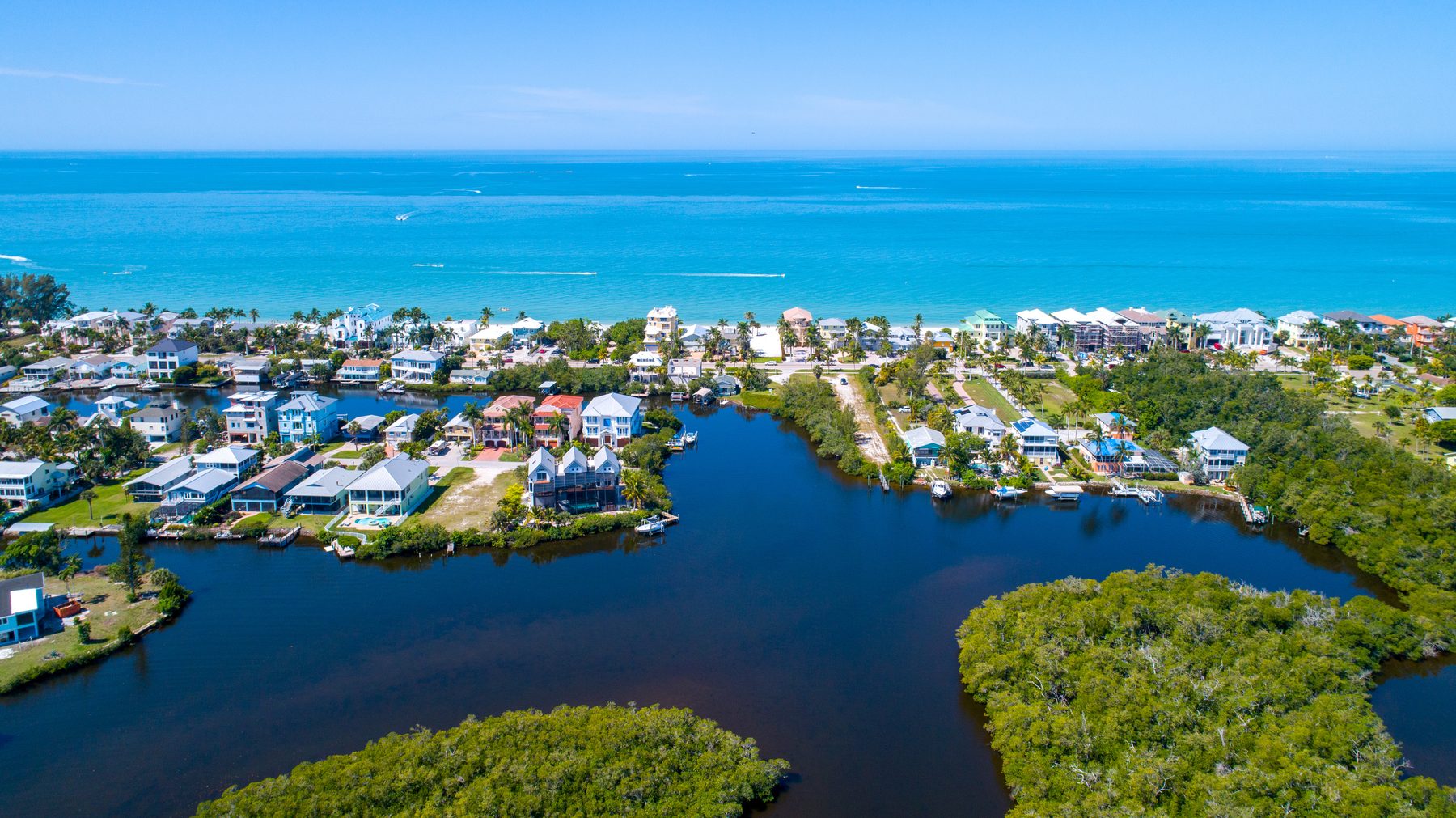
Florida's standard purchase contract has a form built for exactly the fear that keeps a lot of Southwest Florida buyers up at night: what if flood insurance costs more than you can actually afford, and you don't find out until you're ten days from closing? It's called Addendum H — Homeowner's/Flood Insurance — and it lets you set a hard dollar ceiling on your insurance cost, with the right to cancel the contract and get your deposit back if nothing comes in under that number. It matters more than usual this fall, because Collier County just opened a 90-day window — running through roughly mid-November 2026 — for homeowners to appeal a brand-new preliminary flood map revision that could reclassify thousands of properties east of Naples.
Why this catches so many buyers off guard
Most buyers assume their insurance cost will land somewhere close to what the seller currently pays, or close to a rough area estimate an agent mentions during a showing. In Southwest Florida, that assumption is risky. Flood zone designations can vary from one side of a canal to the other, and the zone a property sits in drives a meaningful share of your total premium — sometimes thousands of dollars a year, separate from your standard homeowners policy.
What makes this year different is that the ground itself is shifting under some of those designations. FEMA and Collier County released a preliminary Flood Insurance Rate Map (FIRM) revision for District 6, the area east of Naples, covering 85 new map panels. Instead of relying only on the old zone-letter system, the new analysis categorizes risk using ground characteristics, elevation, and first-floor height — a more granular picture that can move a given property up or down in risk even if nothing about the home itself has changed. The appeal and comment period opened August 19, 2026, and the new maps aren't expected to take full effect until summer 2027, which means there's a real window right now where a property's future flood status is genuinely uncertain.
This isn't the first time Southwest Florida has been through a map revision — Lee County went through its own Mullock Creek Basin remapping earlier this year, and that appeal window has already closed. The Collier County revision is a separate, newer story, and it's still open for public comment and appeal. If you're shopping east of Naples, it's worth asking about before you fall for a specific house.
How to protect yourself before you go under contract
None of this means you should avoid high-risk zones or pending remap areas — plenty of desirable Southwest Florida homes sit in them. It means you build in a safety net before you waive any contingencies. Here's the sequence we walk buyers through:
- Check whether the property sits in a flood map revision area. Ask whether it falls inside Collier County's new District 6 panels, or any other pending remapping in Lee or Collier County, before you write an offer.
- Request Addendum H in your offer — not after you're already under contract. It needs to be part of the original purchase agreement to do its job.
- Set your maximum affordable premium. Decide the highest combined homeowners and flood insurance cost you can realistically carry every year, and write that number into the addendum.
- Set your protection deadline. Addendum H typically defaults to 30 days after the contract's effective date or 10 days before closing, whichever comes first — confirm which applies to your contract.
- Get real insurance quotes immediately once you're under contract. Ask for an actual quote on the specific property, not a general area estimate — insurance agents can usually turn these around within days.
- Compare the quote to your cap. If it comes in at or under your number, you're covered and the contract proceeds normally.
- Exercise your right to cancel if it doesn't. If quotes exceed your cap by the deadline, Addendum H lets you walk away and recover your earnest money, rather than closing on a home whose real carrying cost you can't actually afford.
Florida-specific details worth knowing
Addendum H works alongside a few other pieces of the Florida buying process, and it's worth knowing how they fit together:
The Seller's Property Disclosure (Form FD-2) tells you what the seller knows about the property's flooding history — past claims, water intrusion, prior damage. Addendum H is forward-looking instead: it protects your budget going forward regardless of what has or hasn't happened before. Review both together, not as substitutes for each other.
Title companies handle closings in Florida, and they'll confirm the property's current effective flood zone as part of the transaction — but that confirms today's zone, not whatever a pending remap might change it to next year. That's a separate check you or your agent need to make directly with the county.
HOA and CDD communities add another layer. An HOA estoppel letter covers association dues and assessments, not flood zone status, and CDD fees are unrelated to flood insurance entirely — don't assume either document gives you insurance clarity. If you're evaluating a gated or CDD community, run the flood insurance question separately from your HOA and CDD due diligence.
Doc stamps (Florida's transfer tax, $0.70 per $100 of sale price, typically paid by the seller) and other standard closing costs aren't affected by any of this — but a surprise insurance bill after closing can undo the budget math you did around them, which is exactly why this protection matters before you're locked in.
Red flags to watch for
- Using the seller's current premium as your estimate. Long-time owners are sometimes grandfathered into older, cheaper policies that a new buyer won't qualify for.
- Assuming "not in a flood zone" today means the same thing after 2027. A property just outside a high-risk zone under the current map can land inside one under Collier's revised system.
- Skipping Addendum H to make an offer look "cleaner." In a competitive situation it's tempting to strip out protections, but an insurance cap costs you nothing if your quote comes in fine — it only protects you if it doesn't.
- Waiting until just before closing to get a real quote. By then you've often already waived other contingencies, and you're negotiating from a much weaker position.
- Treating general cost guides as property-specific answers. Broader resources on what drives flood insurance pricing or general homeowners insurance costs are useful for context, but they can't replace an actual quote on the actual address.
How a buyer's agent protects you here
This is exactly the kind of detail that's easy to miss when you're juggling showings, inspections, and financing at the same time. We check whether a target property falls inside an active remap area before you fall for it, make sure Addendum H is written into the offer with a cap that actually matches your budget, and keep the insurance quote timeline moving so you're never discovering your real number with only days left before closing. It's a small piece of paperwork that can save you from a contract you'd regret.
If you're shopping in Southwest Florida right now — especially east of Naples, where Collier County's map revision is still open for comment — it's worth having someone keep an eye on both your contract protections and the flood map timeline at the same time.