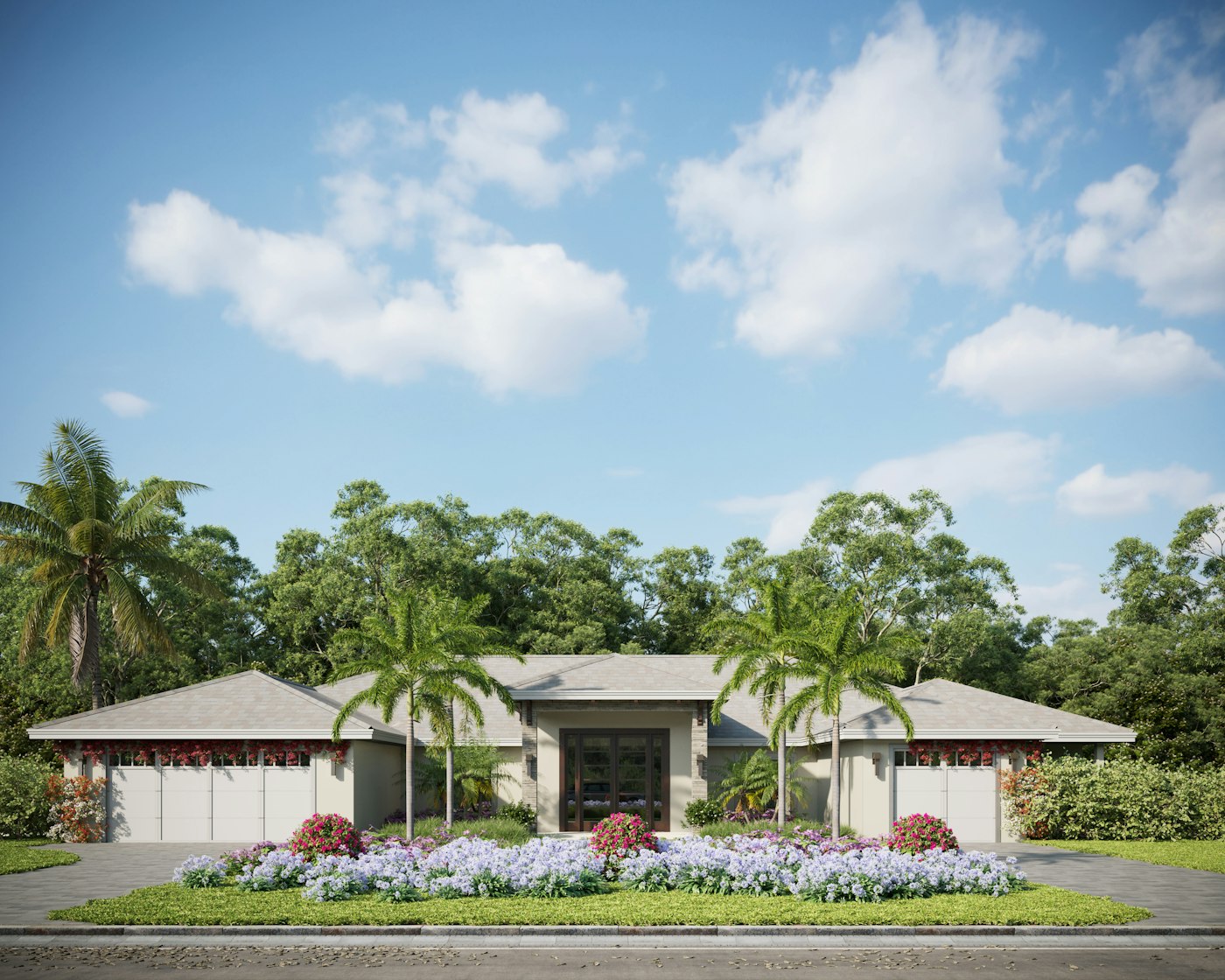
Builder contracts in Bonita Springs and Estero are drafted by the builder's legal team — and they're designed to protect the builder, not you. They commonly include escalation clauses that can raise your purchase price after signing, preferred lender incentives that offset upfront savings with higher long-term interest rates, design center credits that push buyers significantly over budget, and completion timelines that give builders up to 24 months without penalty. Before you sign, you need to understand exactly what you're agreeing to — and you need your own buyer's agent at the table from day one.
The model home experience is engineered to move you from curious to under contract as quickly as possible. The sales representative works for the builder. The contract was written by the builder's attorneys.
The builder's contract is not a standard real estate contract
Builder contracts in Florida aren't the same as the FAR/BAR residential agreement used for resale — those standard forms protect both parties. Builder contracts are written by one party, and reflect that. Florida real estate attorneys have noted the standard FARBAR form is actually ill-suited to new construction — it assumes the home already exists at signing.
Escalation clauses
Many contracts allow the builder to pass on material cost increases after signing — most 2026 Southwest Florida agreements allow up to 8% of unexpected cost increases. Without a negotiated cap, you could arrive at closing owing $40,000–$50,000 more than you thought you locked in. Insist on a hard dollar cap before signing — most builders will negotiate this if you ask.
Open-ended completion dates
Most contracts give the builder up to 24 months — sometimes longer — to complete your home without being in default. If you need a specific move-in date, this clause needs full attention before signing.
Missing financing contingency
Standard resale contracts return your earnest money if financing falls through; many builder contracts don't include this protection. On a $600,000 home with 10% down, that's $60,000 at risk. Confirm whether your specific contract includes a financing contingency.
Vague material specifications
Builder contracts often allow substitutions to materials, fixtures, and finishes without triggering breach of contract. Get specific finishes documented in writing, or accept the builder has real discretion over what ends up in your home.
The preferred lender incentive: read every line
Builders currently offer aggressive packages — permanent rate buy-downs of 1–1.5%, closing cost credits of $20,000–$25,000 — almost always tied to their preferred lender, whose priority is keeping the deal together for the builder, not getting you the best loan terms. That incentive money often comes from an inflated rate; buyers who compared APRs from an independent lender against the builder's preferred lender have saved an average of 0.25–0.50% on their long-term rate, more than offsetting the upfront incentive over a 30-year mortgage.
Get a Loan Estimate from an independent lender first, then ask the builder's preferred lender to match the rate while keeping the incentive. Some will. You won't know unless you show up with leverage.
The design center will cost more than you think
This is the most consistent budget mistake we see. A $30,000–$35,000 design credit sounds meaningful, but nearly everything beyond the base home is an upgrade — flooring, cabinetry, countertops, tile, fixtures, appliances. The credit disappears fast, and buyers commonly commit to $60,000–$70,000 in upgrades. Builders price at retail; a $3,000 granite upgrade may have cost them $1,500 — margin built into every line item.
- Set a hard budget before your design appointment and bring the number with you
- Prioritize structural upgrades that can't be added later (extended lanais, extra garage bays) over cosmetic ones a contractor can do cheaper afterward
- Price cosmetic upgrades independently before your appointment — tile, countertops, and lighting are often far cheaper through local contractors
- Read credit terms carefully — some require a minimum spend before they activate
Your agent must be there on the first visit
In most builder agreements, visiting the sales office without your agent on the first visit means the builder declines to pay the buyer's agent commission — and your representation is forfeited. Your buyer's agent costs nothing in new construction (the builder pays), but the window to have representation is the very first visit, and it doesn't reopen.
Watch for CDD fees and HOA requirements
If you're buying in a master-planned Estero or Bonita Springs community, ask about CDD fees before falling in love with a floor plan — they can add $2,000–$6,000+ per year to your true cost of ownership. See our full CDD fees guide before committing to any new construction community here. Beyond CDDs, confirm the HOA structure, dues, and whether the community has a buyer approval process — some gated communities require an application, background check, or interview, with its own timeline you don't want to discover the week before closing.